Netting buying guides
Practical guides with real specifications and cited sources, written by William, Founder and Sourcing Lead. We publish only when we have something accurate to say.
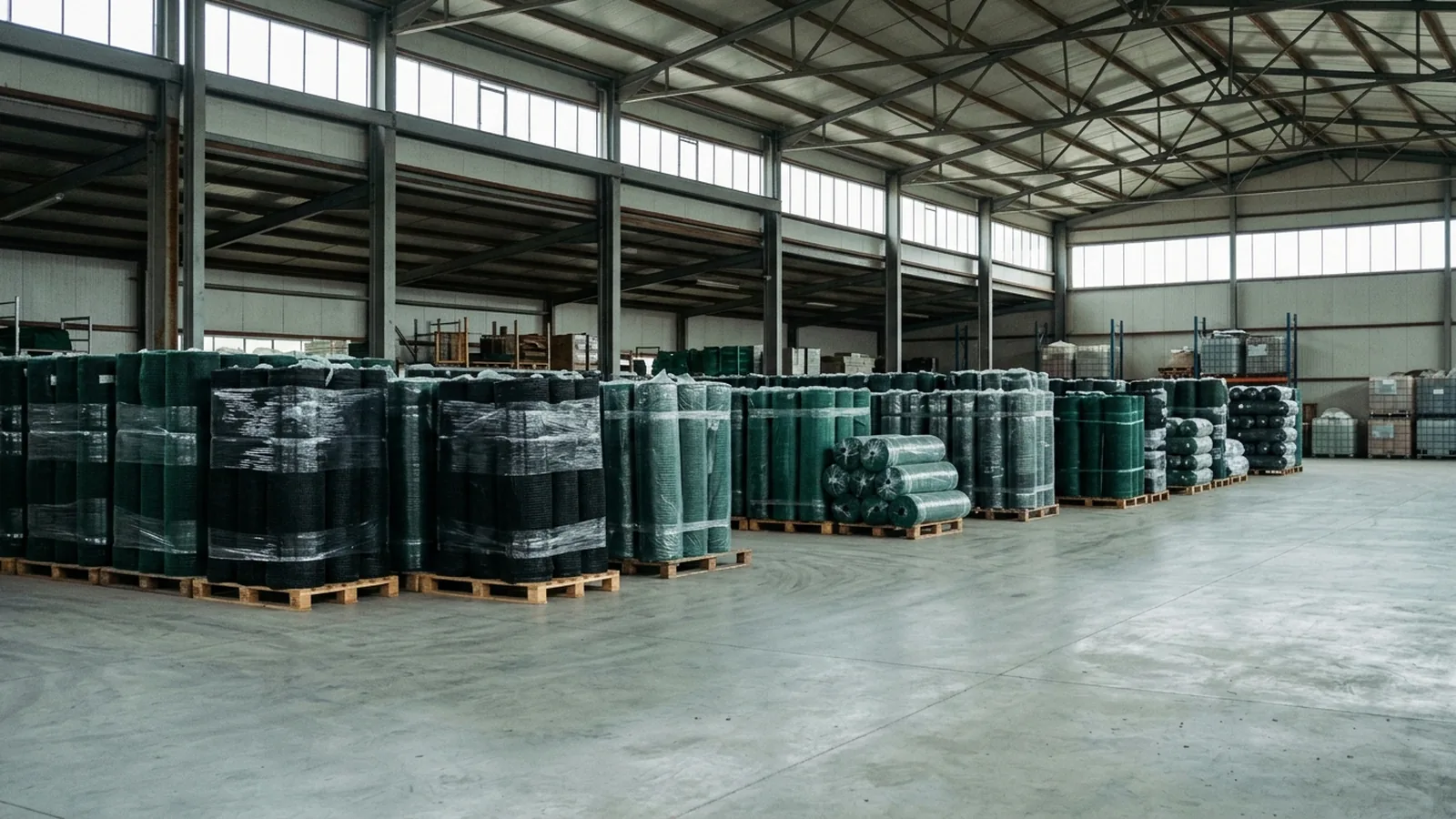
The Netting Buyer's Reference
Mesh apertures by pest, shade rates by crop and HDPE service life, in one printable set of sourced tables.
Open the referenceHow to choose the right agricultural netting
Mesh sizes for insect netting, shade percentages by crop, anti-hail specs and mesh bags, in one practical buyer’s guide.
Read the guideTechnical guides
Netting samples before a bulk order: what to check and what not to assume
A buyer checklist for reviewing agricultural netting, mesh and bag samples before approving a larger order.
Read the guidePrivacy screen vs shade netting: similar look, different job
Privacy screen and shade netting can look similar, but they are specified differently. Compare shade rate, visibility, airflow, UV treatment and use case.
Read the guideChain link vs welded mesh for garden and light agricultural fencing
A buyer-focused comparison of chain link and welded mesh for garden, nursery and light agricultural fencing projects.
Read the guideWelded vs hexagonal wire mesh: how to choose for garden and farm use
A practical comparison of welded wire mesh and hexagonal mesh for buyers sourcing garden, farm or perimeter products.
Read the guide
Netting supplier red flags: what buyers should notice before ordering
A practical red flag checklist for buyers sourcing agricultural netting, mesh, bags or fencing from new suppliers.
Read the guide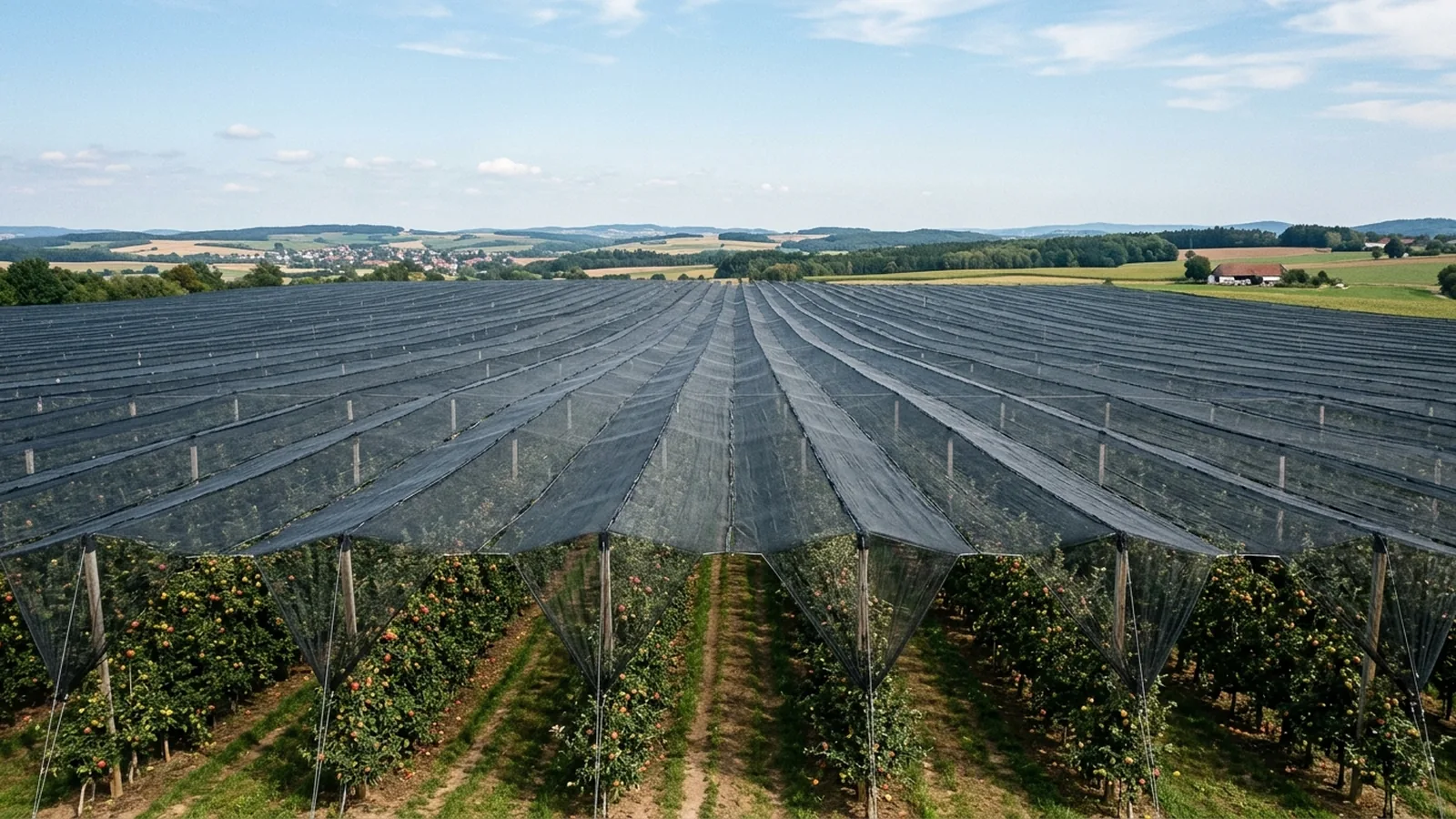
Hail netting support structure checklist before asking for a quote
A practical checklist for orchard buyers preparing a hail netting RFQ, including posts, cables, anchors and layout questions.
Read the guideInsect netting RFQ checklist: what to send before asking for price
A clean insect-netting RFQ needs pest, aperture, crop, dimensions, quantity, material and delivery details. Use this checklist before requesting quotes.
Read the guideRow cover vs insect netting: what are you actually buying?
Row cover and insect netting are often confused. Learn how to compare use case, airflow, aperture, weight, UV treatment and crop protection.
Read the guideBlack vs green shade netting: does color matter?
Shade netting color is not just cosmetic. Learn how black, green and lighter shade nets can affect buying decisions and RFQ clarity.
Read the guide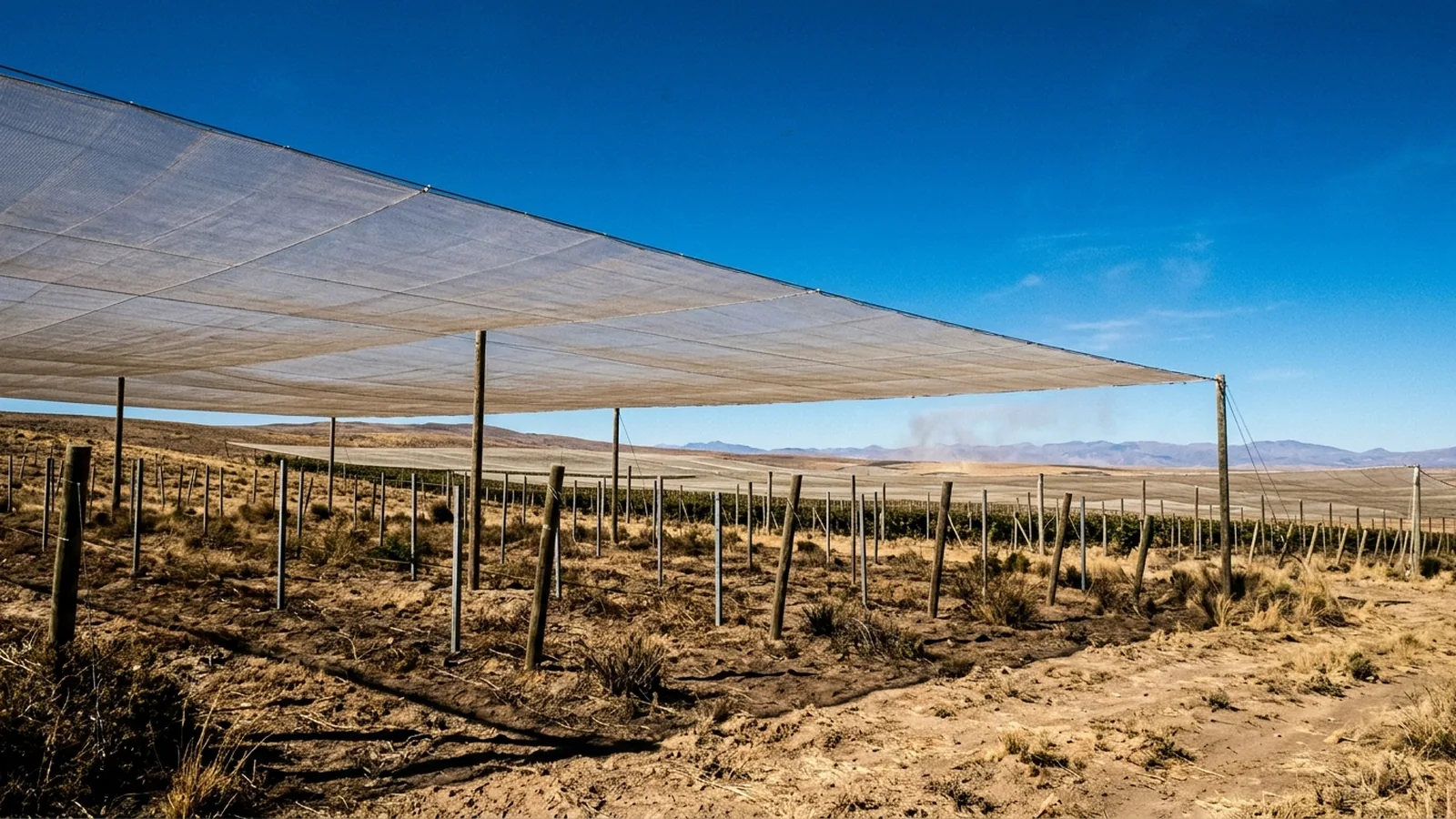
UV-treated HDPE netting: what buyers should confirm
UV treatment is one of the first questions for outdoor HDPE netting. Learn what to ask before comparing insect, shade and hail netting quotes.
Read the guide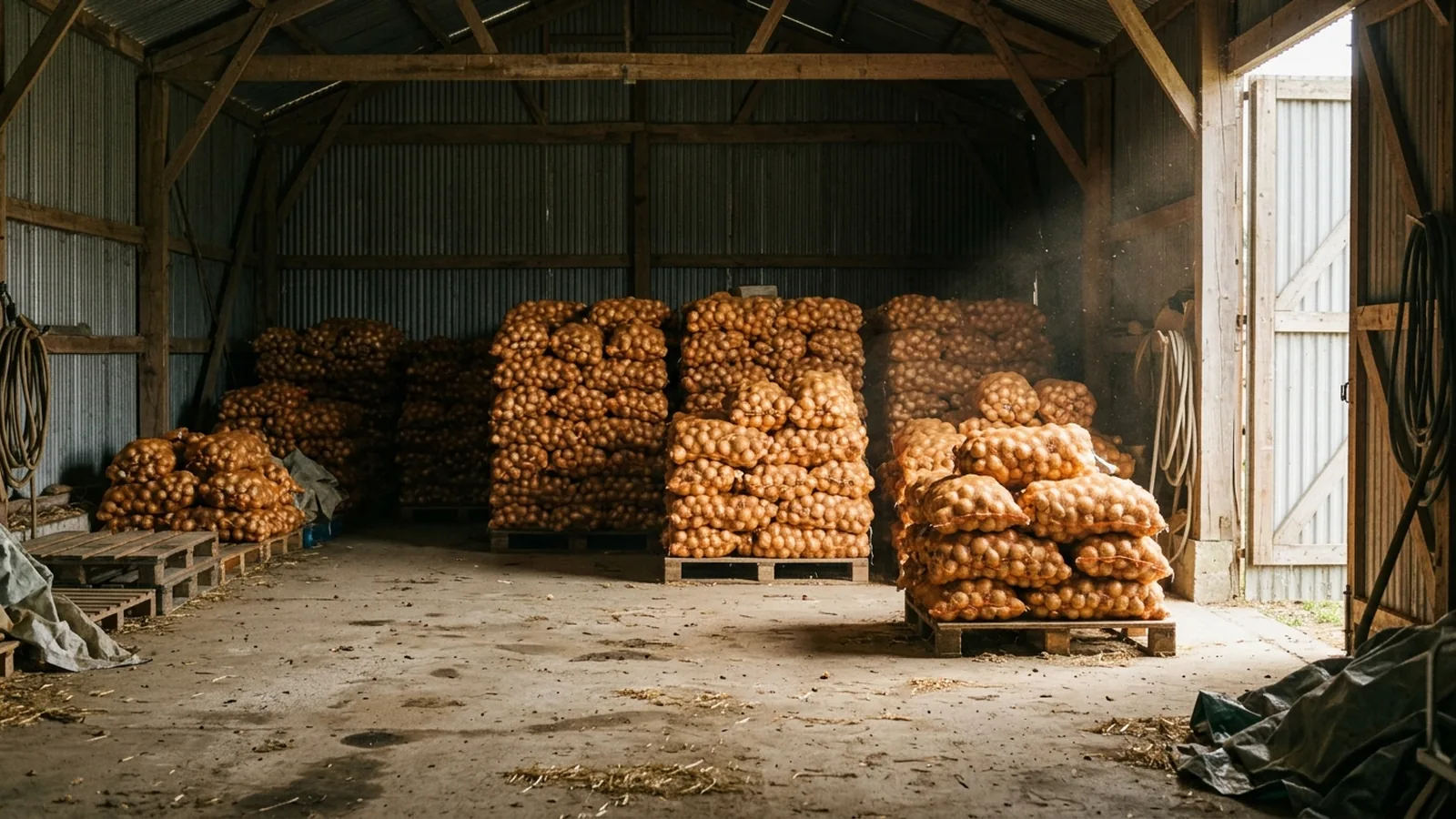
Mesh bags for onions, potatoes and produce: what to specify
Mesh bags are simple until the quote starts. Confirm material, size, capacity, color, closure, printing, packing and ventilation before ordering.
Read the guide Hail netting color: how it can affect light, heat and fruit quality
A practical buyer guide to choosing hail netting color for orchards, balancing protection, light, heat and fruit quality.
Read the guideGreenhouse insect netting and airflow: the trade-off buyers miss
Fine insect netting can stop smaller pests, but it also reduces airflow. Here is how to specify greenhouse insect netting without cooking the crop.
Read the guide Anti-hail netting for orchards: specs buyers should confirm
Anti-hail netting is not just mesh. Confirm weight, color, support structure, panel size, UV treatment and installation assumptions before quoting.
Read the guideNetting roll width: how joints and overlap change your order
Roll width decides how many strips, joints and linear meters you need. Here is how to specify netting rolls without ordering the wrong layout.
Read the guideMesh count vs aperture: why 50 mesh is not enough
Two nets can both be called 50 mesh and still have different openings. Learn why aperture in millimeters is the real insect-netting spec.
Read the guideBird netting vs insect netting: why the mesh decision changes
Bird netting and insect netting solve different problems. Learn how mesh opening, airflow, crop access and installation affect the quote.
Read the guideWhat shade netting percentage for tomatoes, peppers and leafy greens?
Choose shade percentage by crop: what 30% does and when 50-70% may help, based on University of Delaware Extension trials. Includes color choices.
Read the guide How to write a netting RFQ that gets accurate quotes the first time
The seven fields that separate a quotable netting RFQ from a week of back-and-forth emails: what suppliers actually need, in what order, with a worked example.
Read the guideImporting agricultural netting: MOQ, lead times and Incoterms
Importing netting: understand MOQs, production and freight timelines, and Incoterms before ordering. A practical guide for first-time buyers.
Read the guide How to compare two netting quotes without choosing the wrong one
The cheapest netting quote may be missing material, UV treatment, roll format, MOQ, freight or duties. Use this checklist before deciding.
Read the guideEXW, FOB, CIF or DDP for netting imports?
A plain-English guide to Incoterms for agricultural netting buyers: what EXW, FOB, CIF and DDP usually mean for cost, risk and import responsibility.
Read the guideWhat mesh size stops thrips, aphids and whiteflies?
Choose insect netting by aperture in millimeters, rather than mesh count alone. Pest-by-pest exclusion sizes with published sources.
Read the guide