Mesh bags for onions, potatoes and produce: what to specify
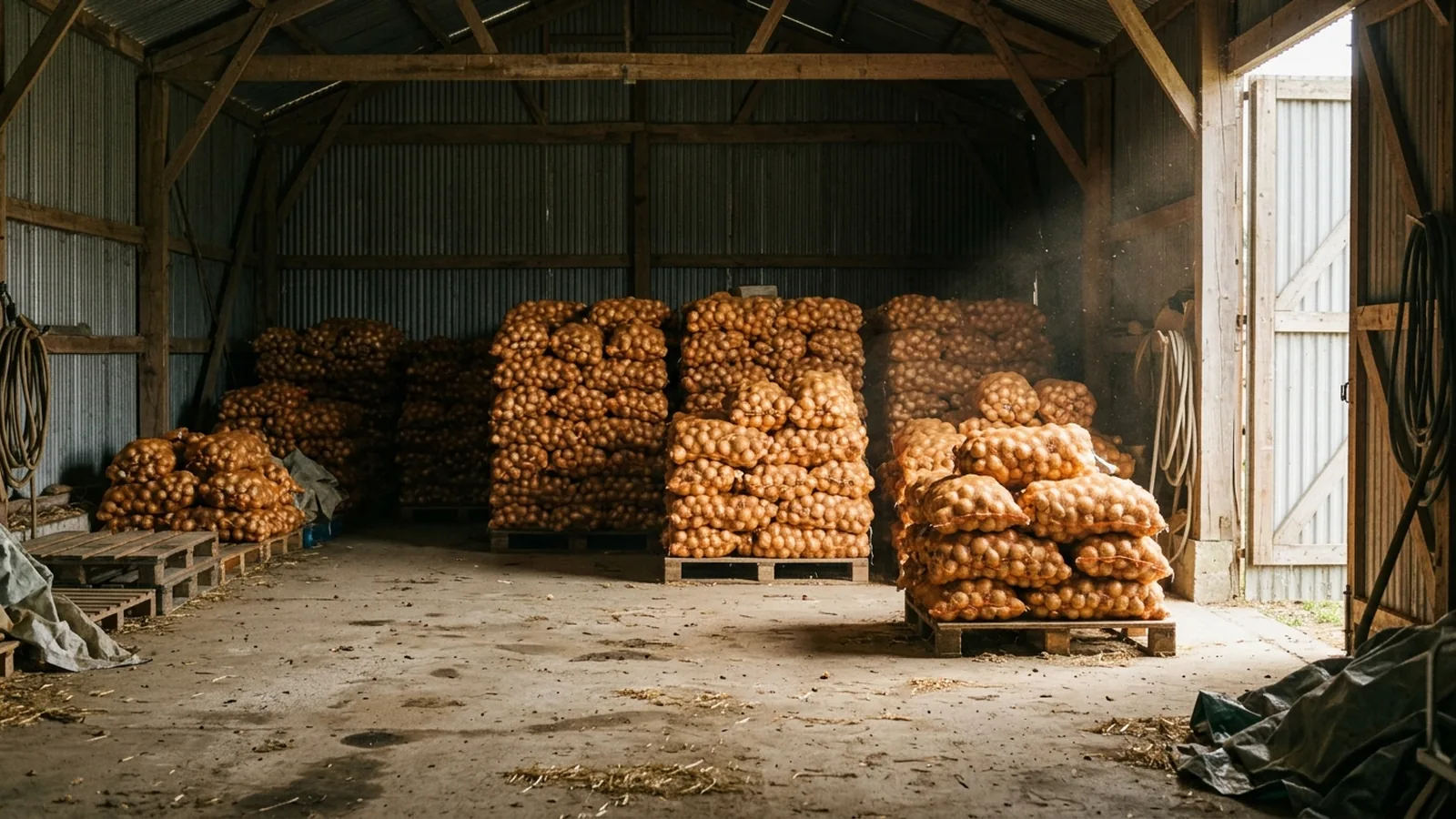
Mesh bags look simple because everyone has seen one. That is the trap. A produce buyer may ask for “onion bags” and expect the supplier to know the rest. The supplier may quote the cheapest matching bag. Then the problem appears later: wrong size, weak seam, bad color, poor closure, awkward packing or a bag that does not match the buyer’s filling process.
For mesh bags, the product is simple. The use case is not.
In short
For produce mesh bags, specify material, bag dimensions, capacity, mesh construction, color, closure type, label or print requirement, packing format, quantity and destination. For onions, potatoes, garlic and similar produce, ventilation is the main reason mesh bags exist, but ventilation alone is not the whole specification.
Why mesh bags are used
Produce such as onions and garlic needs air movement during storage and transport, which is the whole reason the mesh bag exists: it ventilates, it lets a buyer see what is inside without opening anything, and it still handles as a single pack unit on a pallet. That does not mean any mesh bag works for any produce, and the differences run deeper than the shared word suggests, since a 25 kg onion sack, a small retail firewood bag and a garlic pack are three different products built around three different filling and handling processes even though all three are correctly called mesh.
Core specifications to confirm
| Specification | What to send |
|---|---|
| Produce type | Onion, potato, garlic, citrus, firewood, shellfish, other. |
| Bag size | Width x length, usually in mm or cm. |
| Capacity | Example: 5 kg, 10 kg, 25 kg, 50 lb. |
| Material | PP leno mesh is common for many produce bags. |
| Color | Often crop or market specific. |
| Closure | Drawstring, stitched, header, clip or open-mouth. |
| Label/printing | Plain, printed band, label, custom artwork. |
| Packing | Bales, cartons, pallet quantity, compression. |
| Quantity | Pieces, cartons or container target. |
If you know only the produce and approximate weight, that is still enough to start. “Not sure” is a valid answer; it is better than inventing a bag size because the form looked lonely.
Capacity is not just weight
A 25 kg rating is not only about strength. It depends on the shape of the produce, the filling method, the handling the bag meets in transport and the closure holding it shut, all of which decide where the load actually sits when the bag is full.
Onions and potatoes do not pack like smooth machine parts. They shift, press against each other and create local stress points that no flat strength figure reveals, so the seam and the closure have to suit the handling process you actually run and not the tidy one a specification sheet quietly assumes.
Plain vs printed bags
Plain bags are usually simpler to quote. Printed bags require extra confirmation:
- artwork;
- print colors;
- repeat area;
- minimum order quantity;
- proof approval;
- lead time;
- whether the print affects recyclability or market requirements.
For a first request, separate the functional bag from the branding question. Confirm the bag first, then print.
What to send for a documented quote
Send this:
- Produce type.
- Target pack weight.
- Bag dimensions if known.
- Color.
- Closure type.
- Plain or printed.
- Quantity.
- Destination country.
- Any retail, food-contact or documentation requirements.
For product family details, see mesh bags specifications. To format the request cleanly, use the RFQ Spec Builder.
Sources
- USDA Agricultural Research Service, “The Commercial Storage of Fruits, Vegetables, and Florist and Nursery Stocks”, postharvest reference on storage conditions and the importance of handling environment: https://www.ars.usda.gov/is/np/CommercialStorage/CommercialStorage.pdf
- National Onion Association, storage and handling guidance for onions, including dry, ventilated storage principles: https://www.onions-usa.org/all-about-onions/storage-and-handling/
- Mesh & Net manufacturing partner catalog ranges for PP leno mesh bags, sizes and packing formats.
This guide is for quote preparation. Final bag size, strength, closure and documentation should be confirmed against the produce, filling process, destination market and supplier catalog.
Frequently asked questions
What should I specify for produce mesh bags?
Material, bag dimensions, capacity, mesh construction, color, closure type, label or print requirement, packing format, quantity and destination. Ventilation is the main reason mesh bags exist, but it is not the whole specification.
Why are mesh bags used for onions and garlic?
Produce such as onions and garlic needs air movement during storage and transport. Mesh bags help ventilation and visibility while keeping the pack unit easy to handle.
Is a 25 kg bag rating only about strength?
No. It also depends on produce shape, filling method, transport handling and closure. Onions and potatoes shift, press and create local stress points, so the seam and closure must fit the actual handling process.
Should I order plain or printed mesh bags first?
Separate the functional bag from the branding question on a first request. Printed bags need artwork, print colors, repeat area, minimum order quantity, proof approval and lead time. Confirm the bag first, then the print.