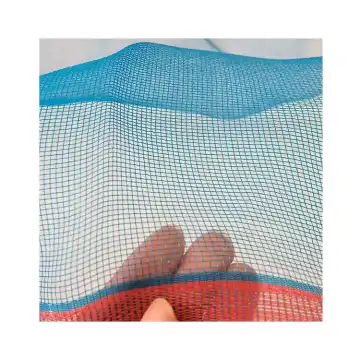
Ref. MN-INS-16X14-080
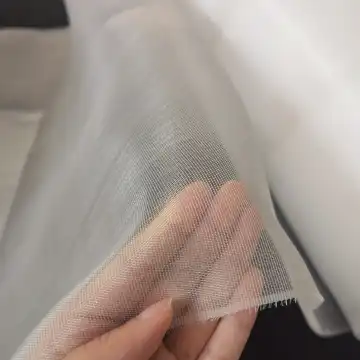
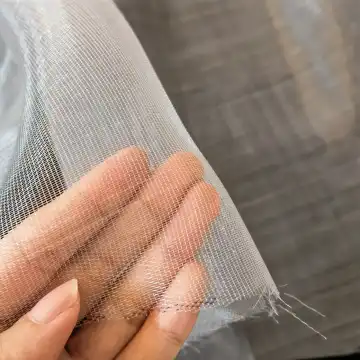
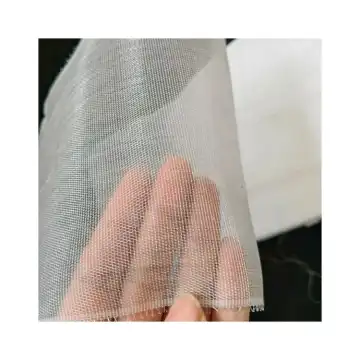
HDPE UV insect netting, 16x14 mesh, 80 gsm
16×14 · 80 g/m²
Request a quote for this spec → Insect netting, specified for your crop
Protect your crops from pests without chemical overuse or a wrong mesh choice. Too fine blocks airflow; too open fails against the pest. We match the mesh aperture to your target pest from real catalog specifications, and coordinate quotes with vetted manufacturing partners.
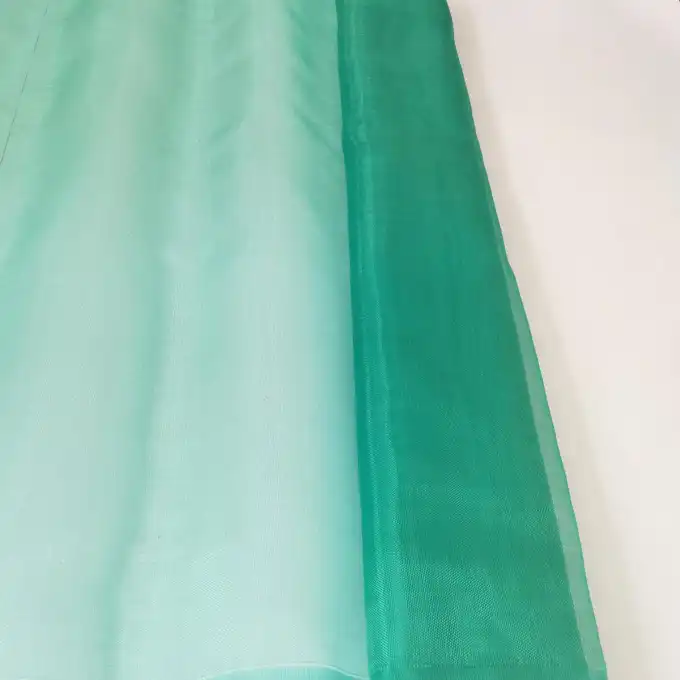
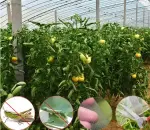
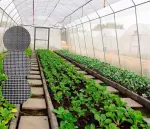
Tap any photo to enlarge
| Product | Insect-proof net / anti-insect net / greenhouse crop protection net |
|---|---|
| Material | 100% virgin HDPE with 3% UV treatment |
| Net weight | 30 gsm – 150 gsm |
| Mesh options | 16×14, 18×14, 18×16, 30×20, 40×25, 50×25, and 20 / 30 / 40 / 50 mesh |
| Width | 1 to 100 m |
| Length | 10 to 200 m or custom |
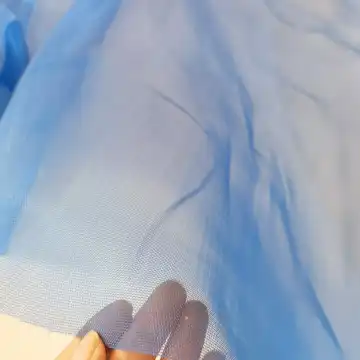
| Colors | White, green, blue, black or custom |
| Packing | Rolls, PP-bag packed, or to requirement |
Sourced from our manufacturing partners' catalog. Final specification is confirmed on your quote.
Netting is made to the width of the machine that knits it, not to the width of your block. When the span is wider, the joint has to be made somewhere. There are only two places it can happen, and a quote should tell you which one you are buying.
Catalog width for this family: 1 to 100 m. Anything wider than that is a joint, made in the field or made at the factory.
| Where the joint is made | What you receive | What it costs you |
|---|---|---|
| On site, by your crew | Strips at catalog width, overlapped and fixed in the field. | Installation days, fixings, and one more line for the wind to work on at every joint. None of it appears in a price per square meter. |
| At the factory, before it ships | Panels assembled to the width you need to cover, delivered as one piece. | A stated line on the quote, plus its effect on packing, freight volume and the minimum quantity that makes the run worth setting up. |
What we will not write down before it is confirmed A maximum assembled width. Achievable width, added cost, added lead time and the minimum quantity are confirmed with the manufacturing partner and stated on your quote before you order. Where a span cannot be served in one piece, we say so and quote the strip layout instead.
What to send us The width you need to cover, not the roll width you think you should ask for. The quote form has a field for the span, and a second one for how you want that width made up.
Example sourceable specifications, documented from manufacturer catalogs. Final material, dimensions, MOQ, packing, lead time and delivery terms are confirmed on a documented quote. These are examples of what can be sourced, not stock and not tied to a single manufacturer.
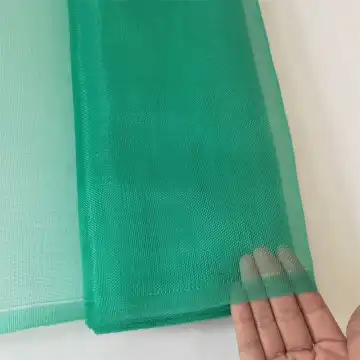
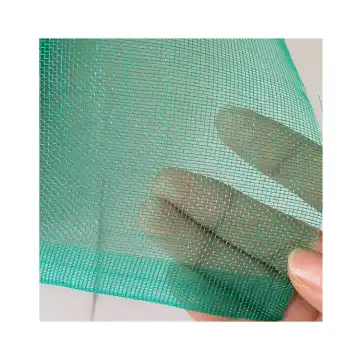
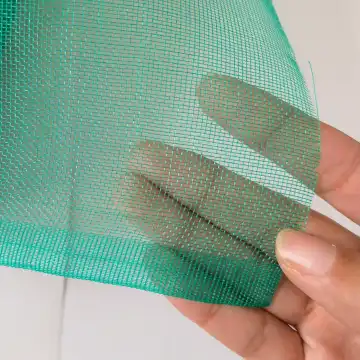
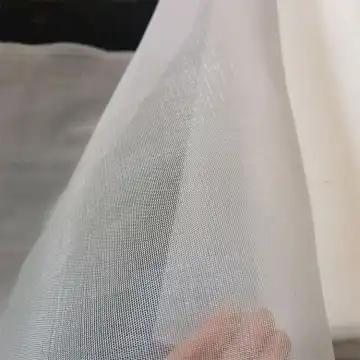
You need to physically exclude flying pests such as aphids, thrips, whiteflies and moths from greenhouse or field crops, without chemicals.
You mainly need shade, hail protection or a bird barrier: the aperture and weight are wrong for those jobs.
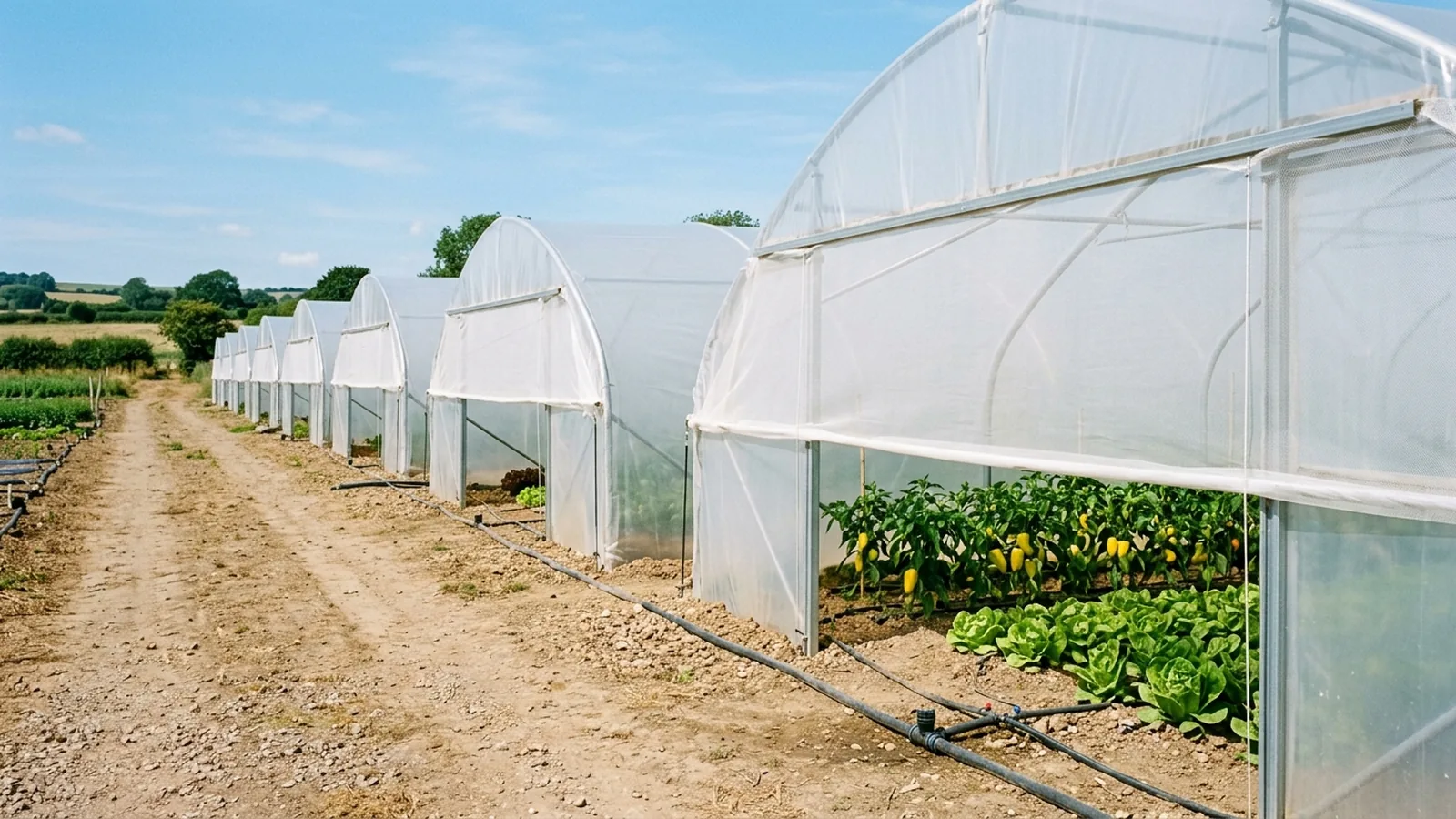
Not sure which aperture stops your pest? See what mesh size stops thrips, aphids and whiteflies, with the research behind the numbers, or try the mesh size visualizer.
It depends on the opening size in millimeters, not the mesh count. As reference points from Bethke and Paine (1991): about 0.19 mm for thrips, 0.34 mm for aphids, 0.46 mm for whiteflies. Our mesh visualizer shows each aperture at scale, and the quote confirms the exact specification.
For spotted wing drosophila in berry and stone fruit, US extension programs work to an opening below 0.98 mm. Confirm the physical aperture for your target pest rather than relying on mesh count alone. Timing decides as much as the fabric: extension guidance is to net once pollination is complete, because an aperture sized to exclude an insect of that size also excludes a pollinator of that size. Our buyer's reference lists the aperture pest by pest, and the quote confirms the exact specification.
The printed catalog lists widths of 1 to 5 meters and lengths of 50, 100 or 200 meters per roll. Documented configurations list widths of 1 to 4, 1 to 5 or 1 to 10 meters, and 1 to 100 meters on two of them, with lengths of 10 to 100 or 30 to 100 meters. Custom dimensions are possible. A wider cover is built by laying strips side by side with an overlap, so the roll width decides how many strips and joints you need, which the area alone never tells you. State the width you actually need to cover, not only the total area, and we confirm the roll format, the overlap and the joining method on the quote.
Yes. The catalog insect netting is 100% virgin HDPE with 3% UV treatment. Weight options range from 30 to 150 gsm depending on the mesh and use case.
White, green, blue and black are standard, and custom colors are possible depending on quantity. Color affects light and heat under the net, so tell us the crop and climate and we advise.
No. Finer mesh excludes smaller insects but also cuts airflow and raises heat under the cover. The right choice is the largest aperture that still stops your target pest. Our guide on mesh size by pest explains the trade-off with sources.
Six free tools do the sizing these guides explain: see the tools.
First personal reply within 2 business days, with clarifying questions or next steps.
Videos in English. Playing a video connects to YouTube.