UV-treated HDPE netting: what buyers should confirm
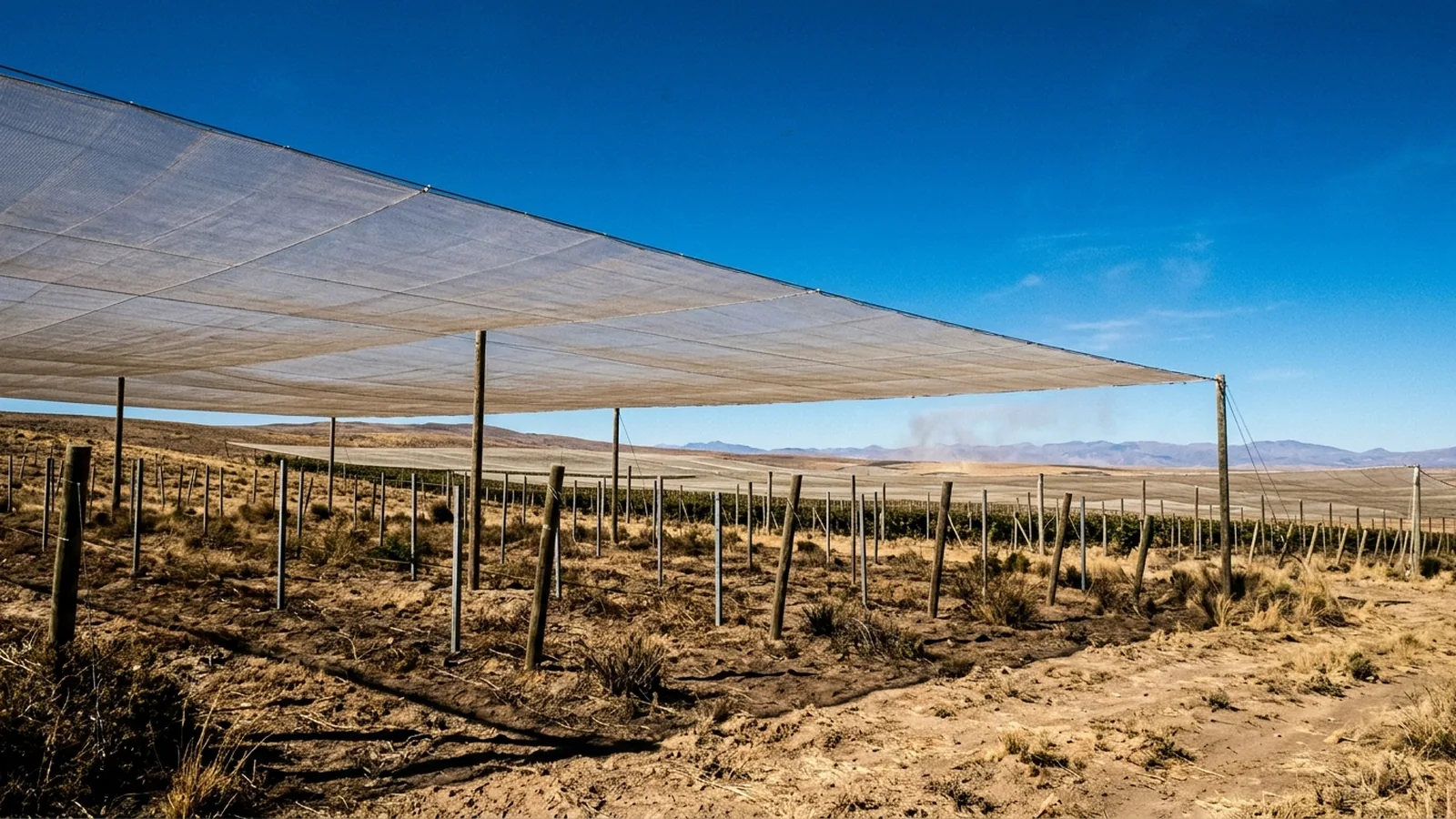
Outdoor netting lives in sunlight, which is why UV treatment belongs among the first specifications you confirm and not in a footnote at the bottom of a quote, where it usually sits.
In short
For outdoor HDPE netting, ask whether the product is UV-treated, what outdoor use it is intended for, what service life is expected for that exact product, and whether color, gsm and installation affect durability. Do not compare UV-treated and non-UV netting as if they were the same product.
Why UV treatment matters
HDPE is widely used for agricultural netting because it is light, flexible and practical. But sunlight degrades plastics over time. UV stabilization helps the material survive outdoor exposure.
That does not mean every “UV net” is identical. A quote should still define:
- material;
- gsm or weight;
- color;
- treatment;
- expected use;
- roll format;
- warranty or catalog lifespan, if any.
Where the mistake happens
The common mistake is comparing two prices without first checking whether both products are UV-treated. Quote A may be a stabilized outdoor product while quote B is an unstabilized or lightly stabilized fabric that looks identical in a photograph and reads identical in a one-line description, and because the gap between them only becomes visible after a season of sun, the cheaper quote wins on the day it arrives and loses over the year that follows. If the netting is going to stay outside, the UV question belongs in the first email and not in the post-mortem.
What to ask in a quote
Use these lines:
- Is the material UV-treated HDPE?
- What outdoor exposure is the product designed for?
- What gsm is being quoted?
- Does color affect availability or lead time?
- Are roll widths and lengths confirmed?
- Is this product intended for seasonal or multi-season use?
For product families, start with insect netting, shade netting or hail netting.
Be careful with lifespan claims
Lifespan is not a magic number. It moves with sun exposure, wind, tensioning, abrasion, chemical contact and how the roll is stored between seasons, which means a figure that held for one installation can be optimistic for the next one down the road, and a serious quote says which assumptions its figure rests on instead of publishing a number that fits every case and describes none.
Sources
- Mesh & Net manufacturing partner catalog data for HDPE netting ranges.
- General material principle: outdoor plastic products require UV stabilization for longer exposure.
This guide is for quote preparation. Final lifespan expectations should be confirmed against the exact product, climate and installation conditions.
Frequently asked questions
Why does UV treatment matter for outdoor netting?
HDPE is light, flexible and practical for agricultural netting, but sunlight degrades plastics over time. UV stabilization helps the material survive outdoor exposure, so it is one of the first specifications to confirm rather than a footnote.
Are all products sold as "UV net" the same?
No. A quote should still define material, gsm or weight, color, treatment, expected use, roll format and the catalog lifespan if any is claimed.
What is the most common mistake when comparing netting quotes?
Comparing two prices without checking whether both products are UV-treated. A lower-cost non-UV or lightly stabilized product wins on day one and loses over the season.
How reliable are catalog lifespan claims for netting?
Lifespan is not a magic number: it changes with sun exposure, wind, tensioning, abrasion, chemical exposure and storage. Treat catalog lifespans as practical guidance, not a universal guarantee, and expect a serious quote to state its assumptions.