Netting quality inspection: checks before shipment and on arrival
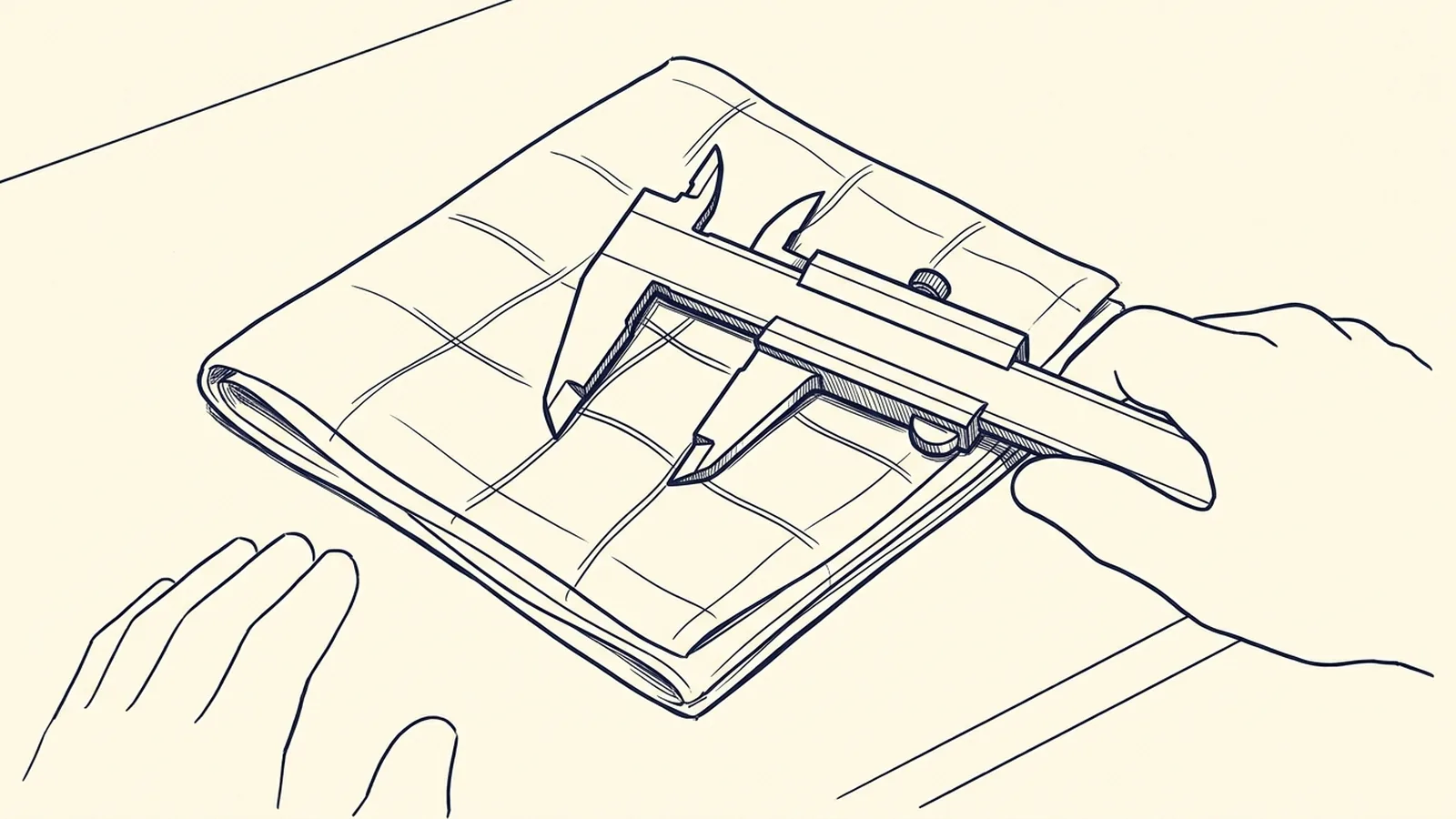
Quality inspection is not about mistrusting everyone. It is about agreeing what “correct” means before the goods are already in the wrong place.
For netting, mesh and bags, small deviations can be expensive if they affect installation, airflow, exclusion, packaging or resale.
In short
Inspection means agreeing what correct looks like before the goods are in the wrong place. Check the documents first (purchase order, specification, packing list, approved sample), then the product itself (material, color, roll width and length, gsm, mesh opening, defects), then the packing. Define the sampling method in advance, and document any arrival problem immediately.
Documents to check first
Before physical inspection, check:
- purchase order
- proforma invoice
- product specification
- packing list
- artwork approval if printed
- sample approval record
- test report if provided
- photos from production if available
The inspection should compare goods against the agreed spec, not against memory.
Product checks
Depending on the product, inspect:
- material
- color
- roll width
- roll length
- GSM or weight
- mesh opening
- edge finish
- holes, tears or broken yarns
- coating quality
- print quality for bags
- label accuracy
For roll goods, width and length matter. A small shortfall multiplied by many rolls becomes a real quantity problem.
Packing checks
Packing is not decoration, it is the last thing standing between the product and three weeks of handling. Poor packing can damage goods or create warehouse confusion.
Check:
- roll wrapping
- bale or carton strength
- labels
- gross and net weight
- pallet condition
- moisture protection
- carton count
- shipping marks
For imports, packing dimensions and gross weight also feed into freight and landed cost.
Sampling method
For larger orders, define how many rolls, bags or cartons will actually be opened, because an inspection that settles on the easiest visible item measures the top of the pallet and tells you nothing about the rest of it. Where the order is high value or tied to a season, a third-party inspection service is worth pricing: its cost is usually small next to a rejected shipment, and smaller still next to a product that arrives unusable in the one week you needed it.
Arrival inspection
On arrival, check quickly:
- quantity received
- visible damage
- labels and product codes
- random roll or bag measurements
- photos before unpacking if damage exists
If there is a problem, fast documentation matters. Take photos, keep packaging and write down the issue while it is fresh.
Buyer takeaway
Quality inspection should be tied to a written spec, approved sample and clear acceptance points.
The goal is not drama, it is simply fewer surprises on the day the container opens, which is the only day any of this becomes visible.
Frequently asked questions
What should I check before a netting shipment leaves the factory?
Documents first: purchase order, proforma invoice, product specification, packing list, artwork approval if printed, sample approval record, test report if provided and production photos. The inspection should compare goods against the agreed spec, not against memory.
Which product details matter most on roll goods?
Width and length. A small shortfall multiplied by many rolls becomes a real quantity problem. Also check material, color, gsm or weight, mesh opening, edge finish, holes or broken yarns, coating quality, print quality on bags and label accuracy.
How many items should be inspected?
Define it in advance for larger orders: how many rolls, bags or cartons will be checked. A casual inspection of the easiest visible item is not enough. For a high-value or critical order, a third-party inspection service may cost little compared with a rejected shipment.
What should I do if netting arrives damaged?
Document fast. Take photos before unpacking where damage exists, keep the packaging, and write the issue down while it is fresh. On arrival, check quantity received, visible damage, labels and product codes, and take random roll or bag measurements.